Beach volleyball is hard on the shoulder (from repeated hitting and serving) and on the calves, Achilles, knees and hips (from jumping in sand). St. Pete players stay on the court longer by keeping the lats, posterior shoulder and thoracic spine mobile, and by getting soft-tissue work or ART® every two to four weeks during the season.
- Top problem area
- Shoulder
- In-season cadence
- Every 2–4 weeks
- Specialist
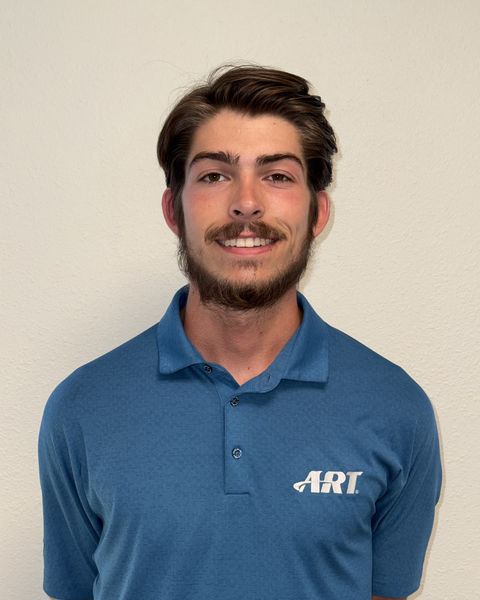
- Lucas Sands, ART®
St. Petersburg is a great place to play beach volleyball, with open courts near downtown, games along the beaches, and weather that lets you play almost all year. That's also the problem. With no real off-season, the overuse never gets a chance to settle down.
On the Dawn Wellness team, Lucas Sands plays competitive beach volleyball and is a regular on the courts around the Vinoy area. As an ART® Certified Provider, he's developed a specialty in exactly the problems the sport creates. Here's what's going on and how to stay ahead of it.
Why Sand Volleyball Is So Demanding
Two things make the beach game uniquely tough on the body:
- Overhead volume. Hitting, serving and blocking load the shoulder hundreds of times in a day of play, almost always on the same side.
- Jumping and landing in sand. Sand absorbs your force, so you work harder to jump. Calves, Achilles tendons, quads and hips do more work on every rep.
The Most Common Problem Areas
| Area | What players feel | Usually connected to |
|---|---|---|
| Hitting shoulder | Pinching or aching after play, trouble reaching overhead | Tight lats, pecs and posterior shoulder; stiff thoracic spine |
| Low back | Tightness after long days, especially from arching to hit | Limited thoracic extension and tight hip flexors |
| Calves & Achilles | Tight, sore calves; stiff Achilles in the morning | Repeated jumping and pushing off in sand |
| Knees | Ache below the kneecap after jumping | Quad and hip tightness; landing mechanics |
| Hips | Stiff hips when digging or moving laterally | Restricted hip rotation and tight adductors |
The Shoulder: Where Most Volleyball Problems Start
A clean, pain-free arm swing needs the shoulder blade to move freely and the upper back to extend and rotate. When the lats, pec minor or the back of the shoulder get tight, or the thoracic spine stiffens up, the shoulder joint loses space to move. Repeat that a few hundred times on a Saturday and it starts to complain.
That's why working only on the spot that hurts rarely fixes it. The work usually needs to address the tissues around the shoulder and the upper back that feed into the swing.
How Soft-Tissue Work and ART® Help
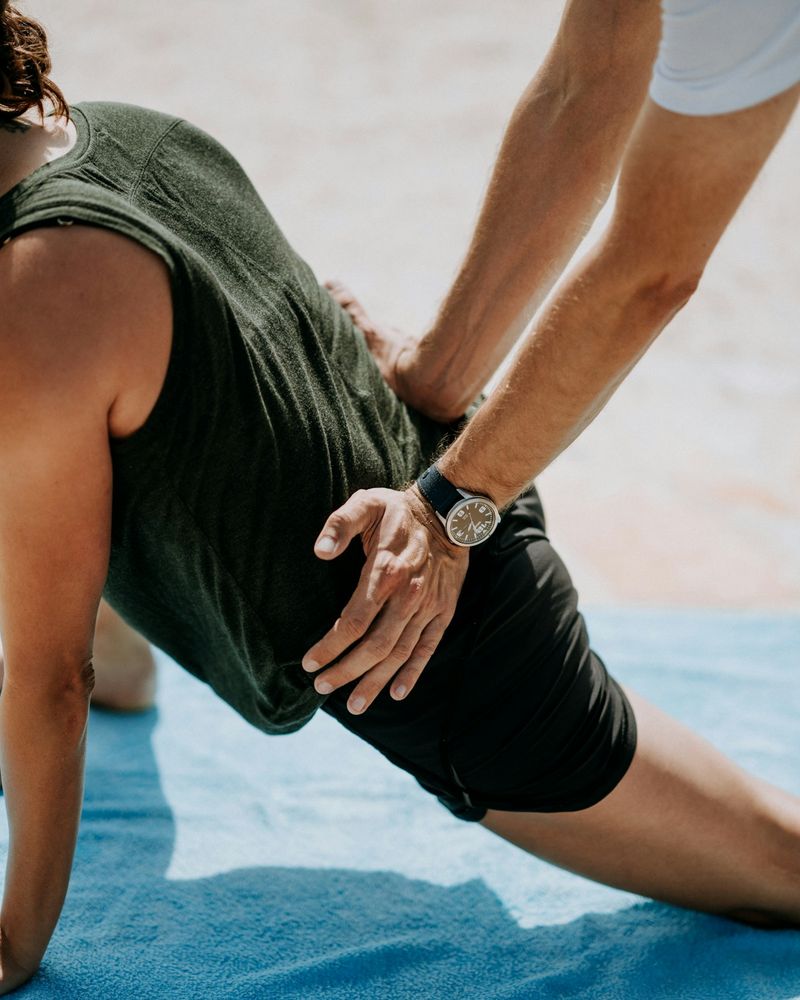
Active Release Techniques® (ART®) is a patented soft-tissue method in which the provider applies tension to a specific tissue while you move it through its range. It's used to address adhesions in muscles, tendons, fascia and nerves, the kind of restrictions that build up from repetitive overuse. For volleyball players, it's commonly used on the lats, rotator cuff, posterior shoulder, calves and hips.
Combined with assisted stretching for the hips and thoracic spine, it helps restore the movement your swing and jump depend on. More background: what ART® is and who it's for.
A Simple Between-Sessions Routine
- Before play: arm circles, band pull-aparts, thoracic rotations and a few easy approach jumps.
- After play: calf and hip-flexor stretches, an open-book thoracic stretch, and a doorway pec stretch.
- On rest days: light movement such as a walk, a swim, or an easy yoga flow.
- Hydrate. Long days in the Florida sun take more out of you than you'd think.
How Often to Get Work Done
- In season: every two to four weeks.
- Tournament stretches or a nagging issue: weekly for a few weeks, then back to maintenance.
- Steady rhythm: a stretch & massage membership ($125 or $250 a month) keeps it automatic.
When to See a Doctor First
Sudden sharp pain, real weakness lifting the arm, numbness or tingling, a joint that feels unstable, or swelling after a specific play should be evaluated by a physician or physical therapist. Bodywork is a great complement to medical care, not a replacement.
Play in St. Pete? Book with Lucas for ART® and volleyball-related shoulder, hip and knee work. Sessions are mobile, so he can come to you.
Frequently Asked Questions
What are the most common beach volleyball injuries?
Beach volleyball players most often deal with shoulder overuse from hitting and serving, low back tightness, and calf, Achilles, knee and ankle strain from jumping and landing in sand. Many of these build up gradually from repetition rather than a single injury.
Why does my shoulder hurt after playing beach volleyball?
Repeated overhead hitting and serving loads the rotator cuff and the back of the shoulder. When the lats, pecs, posterior shoulder or thoracic spine get tight, the shoulder has less room to move cleanly, which commonly shows up as pinching or aching after play.
Can massage or ART help volleyball shoulder pain?
Soft-tissue work, including Active Release Techniques® (ART®), can address restrictions in the muscles and tissues around the shoulder that limit movement. Sharp pain, weakness, numbness or pain after a specific injury should be evaluated by a physician or physical therapist first.
Who treats volleyball injuries in St. Petersburg?
Lucas Sands, a licensed massage therapist and ART® Certified Provider at Dawn Wellness in St. Petersburg, FL, works with volleyball players on shoulder, hip and knee overuse. Lucas plays competitive beach volleyball himself.
How often should volleyball players get soft-tissue work?
During the season, every two to four weeks keeps most players ahead of overuse. Players in heavy tournament stretches, or working through a specific issue, often come weekly for a few weeks, then return to maintenance.