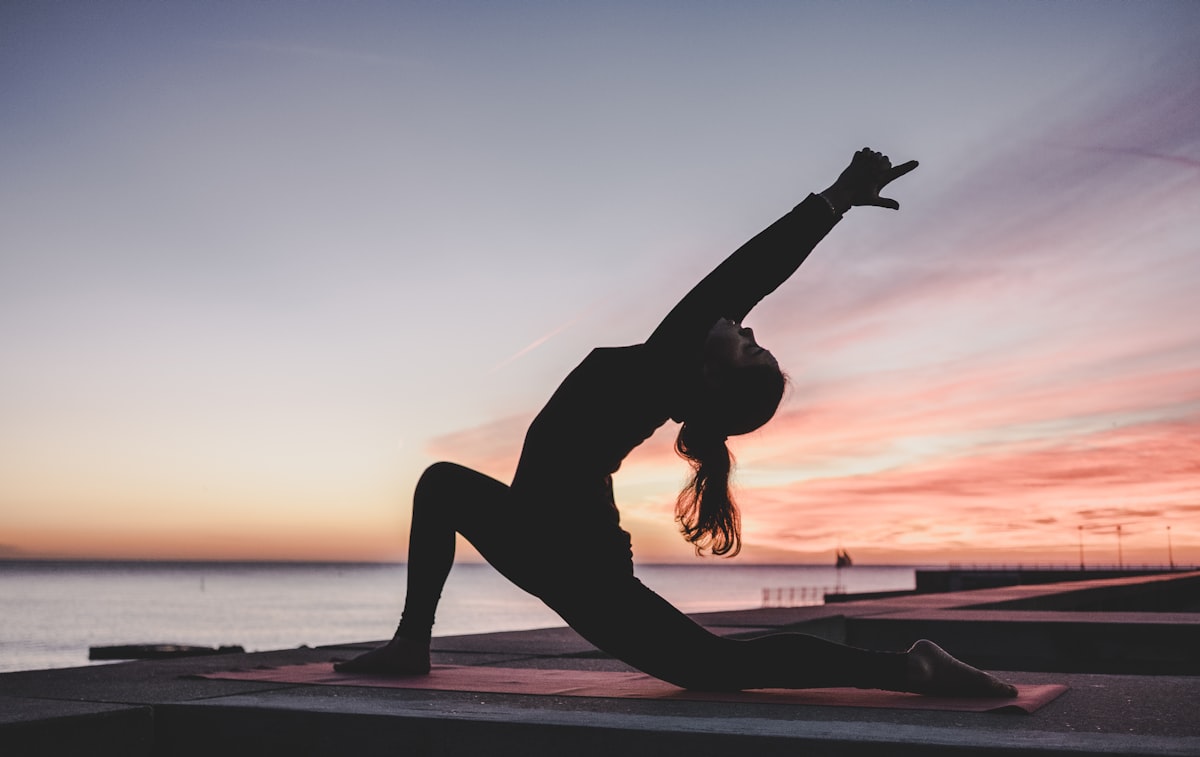
Yoga is one of the best tools for flexibility, body awareness, and nervous-system regulation, and it's excellent for athletic recovery. But it can't release structural adhesions, trigger points, or nerve entrapment on its own — those need manual therapy. Used alongside massage and assisted stretching, yoga helps your body learn to use and maintain the range of motion that hands-on work unlocks.
When people ask me why Dawn Wellness offers private yoga instruction alongside massage and stretching, the answer is pretty simple: I've seen what yoga does for people's bodies when it's done well and done consistently. I've also seen what it doesn't do when it's used as someone's only recovery tool.
Yoga is genuinely one of the best things you can do for flexibility, body awareness, and stress regulation. It's also commonly oversold as a complete movement and recovery system, which sets people up for frustration when it doesn't fix their chronic tight hip flexors or their nagging shoulder.
Here's an honest look at what yoga does well, where its limitations are, and how to integrate it with other wellness work for better results.
What Yoga Actually Does For Your Body
The physiological effects of a consistent yoga practice are well-documented:
- Flexibility improvement: regular practice increases range of motion through repeated, sustained loading at end-range positions
- Nervous system regulation: breath work (pranayama) and sustained, mindful movement activate the parasympathetic system and reduce baseline cortisol
- Proprioception and balance: yoga challenges your body's ability to sense its own position in space, which improves with practice
- Postural awareness: a good yoga practice teaches you to recognize when you're in poor alignment and how to correct it
- Strength in lengthened positions: many yoga poses build strength at end-range of motion, which is one of the most functional forms of flexibility training
The Recovery Side: Where Yoga Helps Athletes
During my years as a D1 athlete, the teammates who incorporated yoga into their training recovered differently. It wasn't because it solved specific injuries. It was because it helped them understand how their bodies felt, identify asymmetries before they became problems, and calm their nervous system down after intense competition.
For Tampa Bay athletes, recreational runners, and active adults, yoga is particularly effective for:
- Active recovery between hard training sessions (gentle or yin yoga specifically)
- Maintaining hip and thoracic mobility through a competitive season
- Reducing stress and improving sleep quality during high-load training blocks
- Building the body awareness to recognize movement compensations early
What Yoga Can't Fix Alone
Here's where I want to be honest, because I've seen people stick with yoga alone for years while continuing to deal with problems that would have resolved faster with additional support:
- Structural adhesions: scar tissue and soft-tissue adhesions don't respond to stretching. They need manual disruption from a skilled therapist (massage, ART®, or similar).
- Trigger points: yoga doesn't apply the sustained, targeted pressure needed to release trigger points. Massage does.
- Nerve entrapment: if your pain or limitation has a neurological component, yoga can help manage it but rarely resolves it. ART® is more effective.
- Chronic mobility restrictions: if you've been chronically tight in a specific area for years, yoga will help but the fastest progress comes from combining it with assisted stretching.
The Dawn Wellness Approach: Yoga as Part of a Larger Plan
Our private yoga sessions at Dawn Wellness are designed specifically to work alongside massage and stretching, not as a standalone solution. Before your first session, we ask about your goals, your current physical state, and what other work you're doing with the rest of the team.
A typical private yoga session includes:
- A brief check-in about how your body feels today, what's tight and what's open
- A flow designed around your specific goals (recovery, hip mobility, thoracic opening, etc.)
- Breath cues throughout. This is where most people unlock an extra 20% in their flexibility
- A closing discussion about what to notice and what to continue between sessions
For clients who are also doing massage or assisted stretching, the combination is notably more effective than either alone. Massage and stretching create structural changes; yoga helps your nervous system learn to use the new range of motion and maintain it day to day.
Hot Yoga Specifically: What You Should Know
Hot yoga (practiced in a room heated to ~95–105°F) has a few specific advantages worth knowing about:
- The heat allows deeper muscular release with less effort, and you can access end-range positions more easily
- The sweating detoxifies through the skin and supports hydration cycles
- The intensity of the heat environment builds mental resilience alongside physical flexibility
For Tampa Bay residents: if you've done outdoor hot yoga on a July afternoon, you've done something similar but without the intentional flow and breathwork that makes the practice useful.
Getting Started With Yoga at Dawn Wellness
Our private yoga sessions are mobile. We come to your home, condo, or outdoor space across St. Pete, Clearwater, Tampa, and the broader Tampa Bay area. Sessions are 60 or 90 minutes. Package rates are available for clients committing to multiple sessions.
If you're not sure whether private yoga, massage, or assisted stretching is the right starting point, start with the free 15-minute consultation. We'll give you an honest recommendation based on what your body needs most right now.
Frequently Asked Questions
What does yoga actually do for your body?
Consistent yoga improves flexibility through repeated end-range loading, regulates the nervous system through breath work, sharpens proprioception and balance, builds postural awareness, and develops strength in lengthened positions — one of the most functional forms of flexibility training.
Can yoga fix chronic tightness or injuries on its own?
Not entirely. Yoga won't release structural adhesions, trigger points, or nerve entrapment — those need manual therapy like massage or ART®. Yoga is excellent for body awareness, mobility, and recovery, but chronic restrictions resolve faster when yoga is combined with assisted stretching and soft-tissue work.
How does yoga help with athletic recovery?
Gentle or yin yoga supports active recovery between hard training sessions, maintains hip and thoracic mobility through a season, reduces stress and improves sleep during high-load blocks, and builds the body awareness to catch movement compensations before they become injuries.
What's the benefit of hot yoga specifically?
Practicing in a room heated to roughly 95–105°F lets muscles release more deeply with less effort so you can access end-range positions more easily, promotes sweating and hydration cycles, and builds mental resilience alongside physical flexibility.