
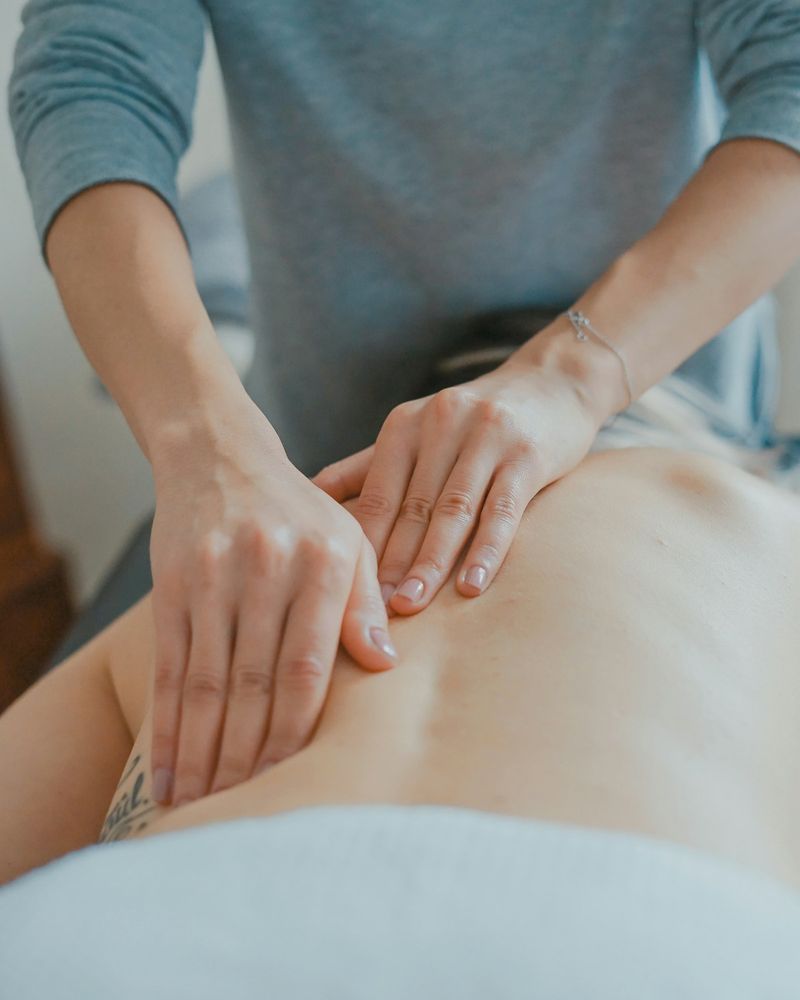
Lifters get the most from bodywork when it targets the joints that limit their lifts: hips and ankles for squat depth, lats and thoracic spine for overhead work, and pecs and shoulders for bench. Schedule deep work on rest days, not before max efforts, and keep a steady rhythm of every two to four weeks, or weekly during heavy blocks.
- Best timing
- Rest days
- Cadence
- Every 2–4 weeks
- Heavy blocks
- Weekly–biweekly
- Memberships
- $125–$250/mo
Most lifters treat recovery as sleep, protein and the occasional foam-rolling session. That works until it doesn't: the squat stops hitting depth, the bar drifts forward overhead, or the front of a shoulder starts complaining every bench day.
Those are usually mobility and soft-tissue problems, not strength problems. Here's how strength athletes in St. Pete can use assisted stretching, massage and Active Release Techniques® to keep training hard, based on how we work with lifters at Dawn Wellness and our fitness partners, including Made Possible Gym.
Where Lifters Get Restricted (and Why It Matters)
| Lift | Common limiter | What it looks like | What helps |
|---|---|---|---|
| Squat | Hips, ankles, adductors | Can't hit depth, heels lift, butt wink | Assisted hip and ankle stretching, adductor work |
| Overhead press / snatch | Lats, thoracic spine, pecs | Arching the low back to get the bar overhead | Thoracic and lat stretching, ART® on lats |
| Bench press | Pecs, front of shoulder | Pinching at the bottom, shoulders rolling forward | Pec and shoulder soft-tissue work |
| Deadlift | Hamstrings, hips, upper back | Hard to set up with a neutral spine | Hamstring and hip stretching, upper-back work |
When a joint can't reach the position a lift requires, your body borrows range from somewhere else, usually the lower back or the front of the shoulder. Over months, that borrowing is what turns into the nagging pain that costs training days.
Assisted Stretching vs. Massage vs. ART®: What Each Does for Lifters
Assisted stretching
A therapist moves the joint through a greater range than you can reach on your own, often using contract-relax (PNF) techniques. For lifters, it's the most direct way to open up hips, ankles and the thoracic spine. Read more in assisted stretching vs. stretching on your own.
Massage
Deep tissue and sports massage reduce the general tightness and soreness that build up across a training week, and help you feel recovered going into the next block.
Active Release Techniques® (ART®)
ART® targets specific adhesions in muscle, tendon, fascia and nerve tissue. It's the tool for stubborn, localized issues, like a lat that won't let your arm get overhead, or an elbow that flares up with pressing and pulling. Learn more in what ART® is and who it's for.
When to Schedule Sessions Around Training
- Deep tissue and ART®: on a rest day or after training. Leave a day before your heaviest or max-effort session.
- Assisted stretching: works well on rest days or after lighter sessions. Avoid long static stretching right before a max-effort lift.
- Deload weeks are a great time for a thorough session, since you have room to recover from deeper work.
- Meet or test week: keep it light. Nothing new or aggressive in the final few days.
A Simple Recovery Plan for Lifters
| Training volume | Recommended cadence | Membership fit |
|---|---|---|
| 2–3 days/week, general strength | Every 3–4 weeks | 1 session/month ($125) |
| 4+ days/week, or a specific restriction | Every 2 weeks | 2 sessions/month ($250) |
| Meet prep or a heavy block | Weekly for the block, then back to biweekly | 2 sessions/month plus add-ons |
The details of each plan are on our gyms & fitness page. If you're comparing options, are memberships worth it? breaks down the math.
Make the New Range Stick
Bodywork opens the door. Training through the new range keeps it open. After a session that improves your squat depth or overhead position:
- Use the range that week with lighter, paused reps at the new depth or position
- Add a few minutes of daily mobility for the joint you're working on
- Keep sessions consistent, because restrictions creep back when the work stops
When to See a Medical Professional Instead
Sharp pain, pain that wakes you at night, numbness or tingling, swelling, or pain after a specific traumatic moment under the bar should be evaluated by a physician or physical therapist first. Bodywork complements medical care. It doesn't replace it.
Train in St. Pete? Book with Lucas for ART® and stubborn restrictions, or with Luke for assisted stretching and mobility plans. Or start a membership.
Frequently Asked Questions
Should I get a massage before or after lifting?
For most lifters, schedule deep tissue work on a rest day or after training, not right before a heavy or max-effort session. Lighter work and assisted stretching can be done closer to training. Leave a day between deep work and your heaviest lifts.
Does assisted stretching help squat depth?
It can. Squat depth is commonly limited by restricted hips, ankles and thoracic spine. Assisted stretching takes those joints through a greater range than you can reach alone, and repeated sessions combined with strength training through full range help that new range stick.
How often should lifters get massage or stretching?
Every two to four weeks works for most people lifting three to four days a week. During heavy training blocks or meet prep, weekly or every-other-week sessions are common. Dawn Wellness memberships offer one or two sessions per month for $125 or $250.
Will stretching make me weaker?
Long static stretching right before a max-effort lift may briefly reduce force output for some people, which is why we schedule stretch sessions away from your heaviest days. Over time, better mobility lets you train in better positions, which supports strength rather than limiting it.
What is ART® and is it useful for lifters?
Active Release Techniques® (ART®) is a patented soft-tissue method for treating restrictions in muscles, tendons, ligaments, fascia and nerves. Lifters often use it for stubborn issues like tight lats limiting overhead position or a nagging elbow from pressing and pulling.